
A pool rarely asks for attention all at once. More often, it starts with small signs – a rough step, a stain that never quite lifts, a finish that looks tired no matter how clean the water is. If you are wondering when should a pool be resurfaced, the short answer is this: before surface wear turns into bigger structural or maintenance problems.
For many Las Vegas and Henderson homeowners, resurfacing starts as a cosmetic concern and quickly becomes a practical one. An aging interior finish can make your pool harder to clean, less comfortable to use, and more vulnerable to damage over time. The right timing depends on the finish type, the age of the pool, how well it has been maintained, and what the surface is telling you now.
When should a pool be resurfaced? Watch for these signs
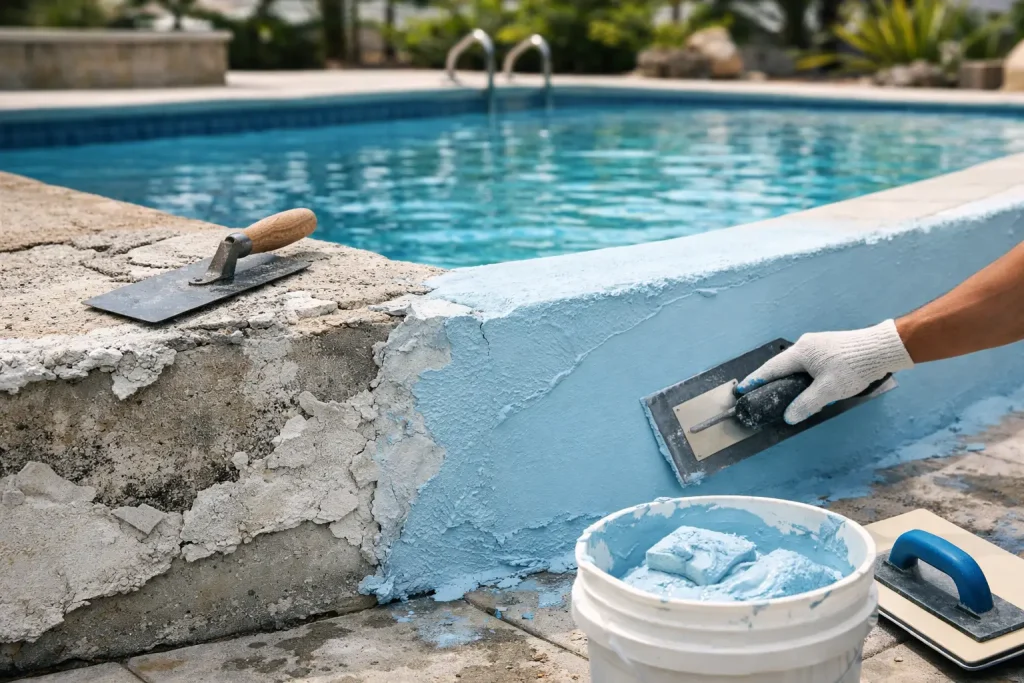
The clearest answer comes from the condition of the surface itself. If plaster is flaking, if the texture feels sharp underfoot, or if stains and discoloration have become permanent features rather than temporary issues, resurfacing should move onto your radar.
Another common sign is etching. Water chemistry, age, and constant exposure gradually wear down the finish, leaving it pitted or uneven. At first, this may seem like a visual issue. Over time, though, etched surfaces can trap dirt and algae more easily, which means more brushing, more chemical adjustments, and more frustration.
Cracks also deserve attention, although not every crack means the pool needs only resurfacing. Some are limited to the finish coat. Others may point to movement or underlying structural concerns. That is why a professional evaluation matters. A surface problem can usually be corrected during resurfacing, but deeper damage needs a more complete repair plan.
If swimmers are scraping their feet on steps, benches, or shallow-end floors, do not ignore it. Comfort matters, especially if the pool is part of your everyday backyard lifestyle. A fresh finish is not just about appearance. It restores the feel of the pool.
How long different pool finishes usually last
There is no single resurfacing timeline for every pool. Material choice makes a big difference.
Traditional white plaster often lasts around 7 to 10 years, though some pools may need attention sooner in harsh conditions or with inconsistent water chemistry. Quartz finishes typically last longer, often in the 10 to 15 year range, and they tend to hold color and texture better than standard plaster. Pebble finishes can last 15 to 20 years or more, which is one reason many homeowners choose them when updating an older pool.
Those ranges are helpful, but they are not guarantees. In Southern Nevada, intense sun, heat, evaporation, and mineral-heavy water can all affect surface life. A pool that looks fine at year nine may still have a few good years left. Another may show wear earlier because of age, chemistry imbalance, or deferred maintenance. That is why resurfacing decisions should be based on both age and condition.
The Las Vegas climate can speed up surface wear
Desert pools have their own set of challenges. High temperatures increase evaporation, which can concentrate minerals and affect water balance if chemistry is not adjusted consistently. Long-term sun exposure also takes a toll on appearance, especially with older finishes that have already begun to fade or weaken.
Hard water is another factor local homeowners know well. Calcium scale can build up on the surface, creating a chalky look and rough texture. Sometimes scale can be treated. Sometimes it is a sign that the finish underneath has reached the end of its useful life. If the pool still looks worn after cleaning and balancing, resurfacing may be the better investment.
This is one reason many pool owners in Las Vegas choose to resurface as part of a broader pool remodel. If the surface is aging and the tile, coping, or deck also feels dated, handling everything together can save time and deliver a more complete transformation.
Cosmetic wear or real resurfacing need?
Not every surface issue means you need to resurface immediately. Some stains come from leaves, metals, or algae and can be treated without major work. Minor scale buildup may improve with professional cleaning. Waterline discoloration can sometimes be addressed separately from the interior finish.
The difference is whether the problem sits on the surface or is part of the surface. If the finish is losing material, becoming rough, showing widespread mottling, or failing in multiple areas, cleaning alone will not restore it. At that point, continuing to patch symptoms can cost more in the long run than addressing the root issue.
A good rule is simple: if your pool looks worn even when it is clean, balanced, and maintained, the surface is probably telling you something.
When should a pool be resurfaced instead of patched?
Spot repairs can be useful when damage is isolated. If there is one small problem area and the rest of the finish is still in solid condition, a targeted repair may buy time. But patching has limits.
Older surfaces often wear unevenly, and a repair can stand out visually or fail to blend with the surrounding finish. More importantly, patching one area does not stop broader deterioration happening across the pool. If problems are showing up in several places, resurfacing usually makes more sense than repeated fixes.
This is especially true if you are already investing in other upgrades. New tile against worn plaster tends to make the old finish look even older. If you are replacing coping, updating lighting, restoring the deck, or modernizing equipment, resurfacing can tie the whole project together and protect the value of the rest of the work.
Why waiting too long can cost more
Homeowners often put off resurfacing because the pool is still technically usable. That is understandable. But there is a difference between usable and healthy.
A deteriorating finish can become more porous, which may affect water retention and increase the likelihood of stains, algae adhesion, and chemical demand. Rough surfaces also create a less pleasant swimming experience and can eventually contribute to damage that is more expensive than resurfacing alone.
There is also the planning side. Pool resurfacing is easier to schedule when it is a proactive improvement rather than an urgent repair. You have more freedom to choose materials, coordinate other updates, and prepare the yard for the project. Instead of reacting to failure, you are improving the pool on your terms.
Choosing the right finish during resurfacing
If your pool is ready, the next question is not just when should a pool be resurfaced, but with what material. This is where lifestyle and long-term goals matter.
Plaster is a classic option and usually the most budget-friendly upfront. It delivers a clean look, but it may need replacement sooner than premium finishes. Quartz offers added durability and a more refined appearance, with better resistance to staining and etching. Pebble finishes are popular for homeowners who want a high-end look, strong durability, and more color and texture options.
The best choice depends on how long you plan to stay in the home, the look you want, and whether this is a simple refresh or part of a full backyard upgrade. For many homeowners, resurfacing is the moment to move from a basic finish to something that feels more custom and current.
What to expect from a professional assessment
A resurfacing consultation should do more than confirm the obvious. It should identify whether the issue is limited to the finish or connected to tile damage, cracks, old fittings, or drainage and deck concerns nearby. The right contractor will explain what is necessary now, what is optional, and where combining services may save money or reduce disruption.
That kind of guidance matters with older pools. A surface update can dramatically improve the look of the backyard, but it should also be built on sound repair work and quality materials. Homeowners deserve clear recommendations, realistic timelines, and finishes that match the style of the property.
For a company like Nationwide Pool, that means helping clients weigh both function and appearance. Some pools need a straightforward resurfacing job. Others are ready for a larger transformation that includes tile, coping, deck restoration, or updated features that make the entire yard feel new again.
If your pool finish has become rough, stained, faded, or simply worn out, trust what you are seeing. Pools age gradually, but the right moment to act is usually earlier than most homeowners think. Resurfacing at the right time protects the pool, improves the way it feels to use, and gives you the chance to enjoy your backyard with confidence instead of working around a surface that is past its prime.