
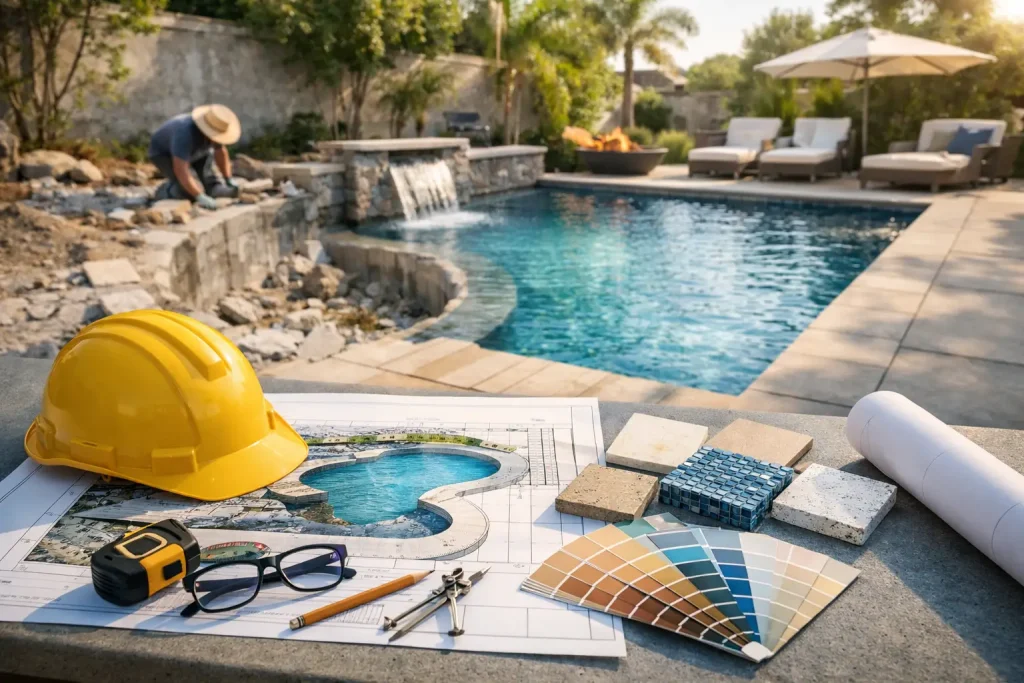
A pool remodel usually starts with one obvious problem – rough plaster, cracked tile, outdated decking, rising repair bills. But most homeowners in Las Vegas and Henderson realize pretty quickly that one fix leads to a bigger question: if you are going to invest in the pool, what should you change now so you do not have to revisit the same project in two years? That is where a residential pool remodeling planning guide becomes useful. Good planning helps you balance appearance, performance, budget, and long-term value before demolition begins.
What to decide before you request a quote
The most successful remodels start with priorities, not products. Some homeowners want to refresh a tired-looking pool so the backyard feels clean and current again. Others are dealing with real functional issues such as surface wear, leaks, outdated equipment, or damaged decking. Both are valid, but they lead to different decisions.
Start by defining what is bothering you most. If the pool looks dated but runs well, your budget may go further with resurfacing, new tile, coping, and deck restoration. If the waterline tile is the least of your problems and the equipment pad is constantly failing, the smarter move may be to put more of the budget into pumps, filters, automation, and plumbing repairs.
This is also the time to think about how you actually use your backyard. A pool used for family gatherings has different needs than one designed for quiet evening relaxation or a high-end entertaining space. Features that sound appealing in a showroom do not always matter in day-to-day life. Planning around your habits keeps the remodel practical.
A residential pool remodeling planning guide for smart budgeting
Budget conversations are easier when you separate needs from upgrades. There is a big difference between work that protects the pool and work that enhances the look of it. Both matter, but they should not be treated the same.
Resurfacing, structural repair, plumbing corrections, and equipment replacement often fall into the must-do category. Finishes, water features, lighting enhancements, and decorative hardscape may be optional depending on your goals. When homeowners mix all of that together too early, it becomes harder to make clear decisions.
A realistic remodel budget should also leave room for what gets uncovered once work begins. Older pools can hide issues behind cracked plaster, failing mastic joints, aging skimmers, or deck movement. That does not mean every project will expand, but it does mean a little financial flexibility protects you from rushed decisions later.
In Southern Nevada, material choice matters too. Heat, sun exposure, water chemistry, and heavy use can all affect how finishes and decking hold up over time. A cheaper surface may lower the upfront investment, but it is not always the better value if it weathers poorly or requires earlier replacement.
Choosing the right scope of work
A remodel can be as simple as a finish update or as extensive as a full backyard transformation. The right scope depends on condition, goals, and how long you plan to stay in the home.
If you plan to enjoy the property for many years, it often makes sense to address the full picture at once. Replacing the interior finish while leaving old coping, worn deck areas, and inefficient equipment may save money today, but it can create a piecemeal backyard that never fully feels finished. On the other hand, if your main concern is correcting a specific issue and restoring safe, attractive use, a focused remodel may be the right call.
This is where experienced guidance really matters. A contractor should help you understand which upgrades are best handled together. For example, if you are changing tile and coping, it may also be the ideal time to evaluate deck transitions. If resurfacing is already planned, lighting niches, returns, and fittings may deserve attention too. Coordinating related work usually saves time and avoids redoing adjacent areas later.
Design choices that affect more than appearance
Many homeowners begin with color and style, which makes sense. The finish, tile, and deck are what you see every day. But design decisions affect comfort, maintenance, and water appearance too.
Pebble and quartz finishes are popular because they offer durability and a more upscale look than basic plaster. The trade-off is that texture, color variation, and price can differ quite a bit. A finish that looks dramatic in a sample may read very differently under strong desert sun. Darker interior colors can create a rich water tone, but they may also absorb more heat and highlight scale differently than lighter surfaces.
Decking deserves the same level of thought. The best-looking material is not always the most comfortable under bare feet in triple-digit weather. Slip resistance, surface temperature, maintenance needs, and how the deck connects to the home all matter. A good remodel should improve the experience of the space, not just update its appearance.
Lighting, water features, tanning ledges, and fire accents can elevate the backyard, but only when they fit the property and the way you live. Adding features for resale or trend alone can lead to a project that feels busy instead of refined.
Do not overlook equipment and efficiency
A beautiful pool still becomes frustrating if it is expensive to run or difficult to maintain. One of the most valuable parts of a remodel is the chance to modernize the system behind the scenes.
Variable-speed pumps, updated filters, automation controls, efficient heaters, and better circulation components can improve reliability while lowering operating costs. They can also make day-to-day ownership easier, especially for homeowners who want more control with less hassle.
This is especially important for aging pools where the visible wear gets all the attention. Equipment that limps along through another season may seem fine until a remodel is complete and the old system becomes the weak point. If your goal is a long-term upgrade, ask whether the mechanical side of the pool matches the finish quality you are investing in.
Timing your remodel the right way
Many homeowners wait until the pool is in obvious distress before planning a renovation. That is understandable, but it can limit options. A project planned early gives you more time to compare materials, refine design choices, and schedule work before peak demand.
If you want the pool ready for spring or summer, do not wait until the first hot week to start the process. Design discussions, estimates, material selections, and scheduling all take time. The best remodels are rarely the most rushed ones.
Weather in Las Vegas is generally favorable for exterior work, but scheduling still depends on project complexity and contractor availability. If a remodel includes multiple trades or custom elements, expect a longer runway. Clear communication on timeline, phases, and access to the yard helps avoid unnecessary stress.
How to compare pool remodeling proposals
Not every quote is built the same way. A lower number can reflect a tighter scope, lower-grade materials, fewer prep steps, or less detail around what happens if hidden issues are found. That is why comparing remodel proposals line by line is more useful than comparing totals alone.
Ask what is included in surface prep, startup, cleanup, tile removal, deck repair, equipment installation, and warranty coverage. Clarify whether material allowances are realistic for the look you want. A proposal should make you feel informed, not rushed.
Trust also matters. You are hiring a company to work on one of the most visible and expensive parts of your property. Experience, communication, and local knowledge should carry weight, especially with older pools and desert-specific wear. Homeowners often feel more confident when they choose a full-service company that can remodel the pool and continue to support it afterward. For many local families, that is part of the appeal of working with a company like Nationwide Pool.
Questions worth asking during planning
A residential pool remodeling planning guide should leave room for honest questions, because there is no single right remodel for every home. Ask what work is essential now, what can wait, and what improvements will make the biggest difference in daily use. Ask which materials perform best in local conditions and which upgrades add convenience rather than just visual impact.
You should also ask how the finished project will be maintained. Some surfaces and features are easier to care for than others. If you want a backyard that looks elevated without increasing the maintenance burden, say that early. A good remodeling plan is not just about the reveal day. It is about living with the result comfortably.
The best pool remodels feel intentional. They solve the problems that pushed you to renovate in the first place, improve the way the backyard functions, and give the space a more polished, inviting look. When you plan carefully from the start, you are not just fixing an aging pool. You are making a smarter investment in the way your home looks, feels, and gets enjoyed.